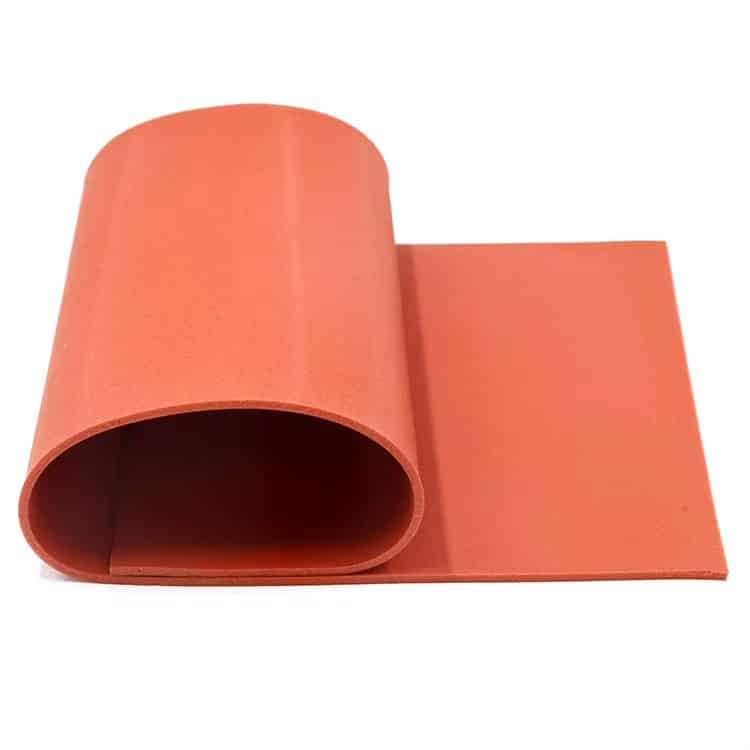
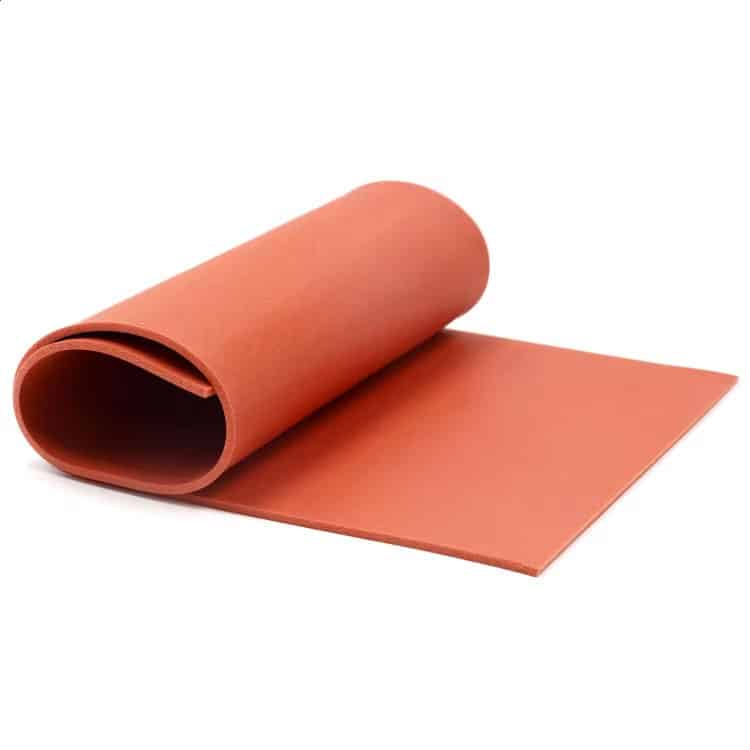
High Temperature Resistant Silicone Sponge Rubber Sheet for Industrial Applications
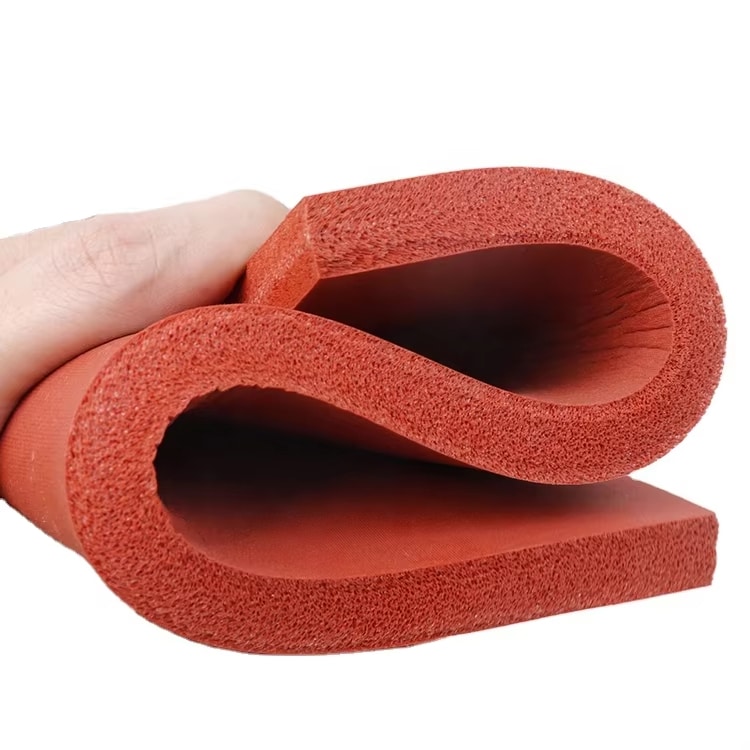
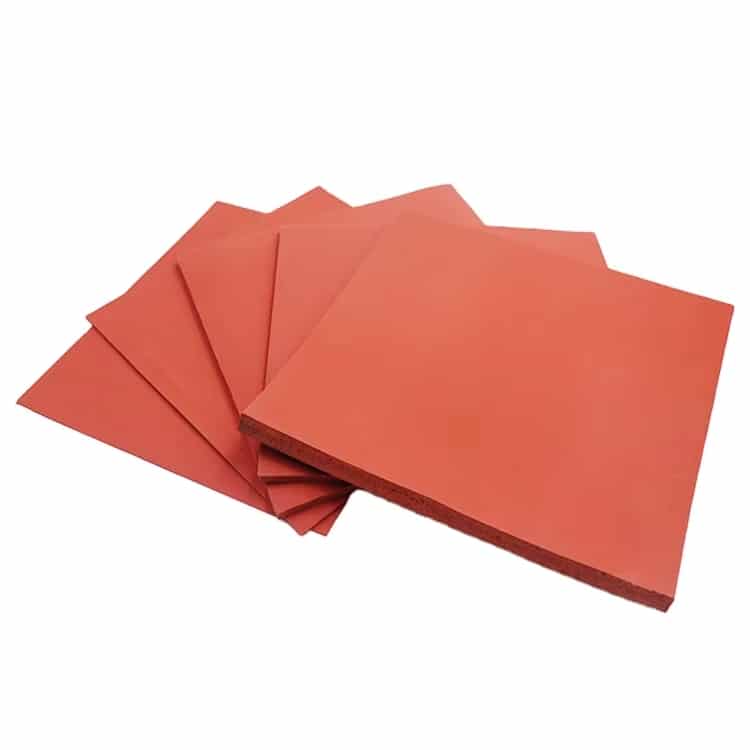
When an application requiresrezistans chalè, fleksibilite, rekiperasyon konpresyon ak sele serye, silicone eponj kawotchou se yon chwa materyèl ekselan. Nou Segondè Tanperati Rezistan Silicone Eponj Kawotchou Fèy - Wouj Silicone Foam Pad Matis designed for demanding industrial environments where conventional EVA foam, PE foam or standard sponge materials may not provide sufficient thermal stability.
The closed-cell silicone sponge structure combines the flexibility of rubber with the lightweight and cushioning characteristics of foam. It can be used forhigh-temperature gaskets, kousinen sele, izolasyon tèmik, vibration isolation, cushioning and heat press applications.
Silicone sponge products are commonly available in a wide temperature range, with specifications depending on the formulation, dansite, compression and operating conditions. Published industrial silicone sponge specifications commonly cover approximately-60°C to +200°C or higher, while specialized high-temperature grades can withstand significantly higher intermittent temperatures.
What Is Silicone Sponge Rubber Sheet?
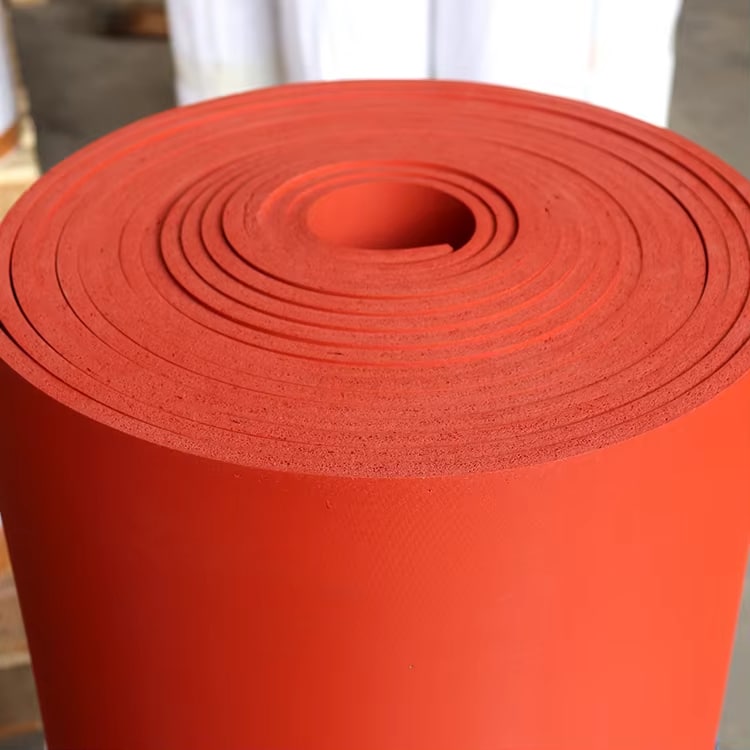
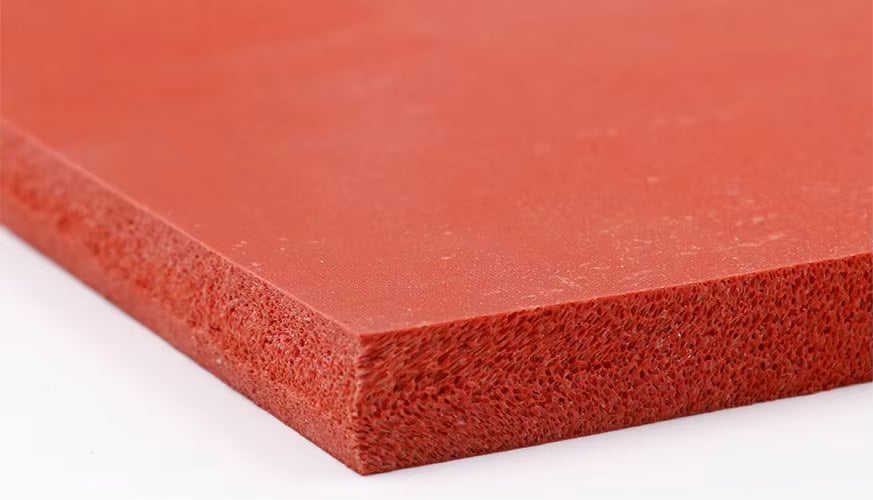
Silicone sponge rubber sheet is a cellular form of silicone rubber containing numerous small cells that give the material its soft and compressible structure.
Compared with solid silicone rubber sheet, silicone sponge provides:
Lower weight
Better cushioning
Higher compressibility
Izolasyon tèmik
Good sealing performance with relatively low compression force
Excellent flexibility
Resistance to ozone, UV and weathering
Closed-cell silicone sponge is particularly useful whereair and water sealingare important.
Key Features of Red Silicone Sponge Rubber Sheet
1. Rezistans Tanperati segondè
The main advantage of silicone sponge is its ability to maintain flexibility and physical performance over a broad temperature range.
Depending on the selected silicone compound and application conditions, silicone sponge sheets can be designed for continuous or intermittent exposure to elevated temperatures. Some high-temperature silicone sponge products are specified for temperatures up to approximately+270°C, with higher intermittent-temperature capability.
For this reason, silicone sponge is widely used inheat sealing, thermal shielding, ekipman endistriyèl, automotive components and high-temperature gasket applications.
2. Excellent Low-Temperature Flexibility
Silicone rubber also performs well at low temperatures. Industrial silicone sponge specifications commonly extend to approximately-60°C, making the material suitable for applications involving significant temperature fluctuations.
This broad operating window makes silicone sponge particularly useful for outdoor equipment, transportation components and industrial machinery.
3. Soft and Compressible
The cellular structure allows the sheet to compress easily and conform to irregular surfaces.
This makes it suitable for:
Garnin
Sealing pads
Cushioning pads
Izolasyon Vibration
Baryè tèmik
Equipment protection
Heat press pads
4. Excellent Environmental Resistance
Silicone rubber has strong resistance toozone, radyasyon UV, oxidation and weathering, which helps it maintain performance in outdoor and demanding industrial environments.
5. Good Electrical Insulation
Silicone sponge rubber can also provide electrical insulation and is used in electronic and electrical components where thermal resistance and flexible sealing are required.
Aplikasyon tipik
High Temperature Gaskets and Seals
Silicone sponge rubber is widely used to manufacture flexible gaskets and seals. Its compressibility allows it to fill small gaps and compensate for surface irregularities.
Aplikasyon tipik yo enkli:
Endistriyèl machin
HVAC equipment
Electrical enclosures
Konpozan otomobil
Ekipman chofaj
Doors and access panels
Equipment covers
Heat Press Pads
Silicone sponge sheets can be used as resilient pads in heat transfer and heat press equipment. Their flexibility and temperature resistance help provide uniform contact between the heated surface and workpiece.
Thermal Insulation and Heat Shielding
The cellular structure provides thermal insulation, making silicone sponge useful around components exposed to elevated temperatures.
It can be used as:
Heat-resistant cushioning
Thermal barrier pads
Insulation layers
Equipment protection pads
Espas ki reziste chalè
Vibration and Shock Absorption
The soft sponge structure absorbs vibration and mechanical impact, making it suitable for machinery, automotive and electronic equipment.
Ekipman elektrik ak elektwonik
Silicone sponge rubber can provide a combination ofthermal resistance, fleksibilite, cushioning and electrical insulation, making it useful for selected electronic and electrical applications.
Why Choose Silicone Sponge Instead of EVA Foam?
EVA foam is an excellent material for packaging, pwodwi espò yo, soulye, toys and general-purpose cushioning. Sepandan, silicone sponge is more appropriate when the application involves significantly higher temperatures.
Pwopriyete
Silicone Sponge Rubber
EVA kim
Rezistans segondè-tanperati
Ekselan
Modere
Low-temperature flexibility
Ekselan
Bon
Compression cushioning
Ekselan
Ekselan
UV rezistans
Ekselan
Moderate to good
Rezistans ozòn
Ekselan
Modere
Weather resistance
Ekselan
Bon
Izolasyon tèmik
Bon
Bon
Izolasyon elektrik
Ekselan
Bon
High-temperature gasket applications
Ekselan
Limite
Anbalaj jeneral
Bon
Ekselan
Cost efficiency for general cushioning
Modere
Ekselan
The correct material should always be selected according to the actual temperature, konpresyon, chemical exposure and sealing requirements of the application.
Red Silicone Sponge Sheet Specifications
The exact specification can be customized according to the application.
Atik
Typical Options
Materyèl
Silicone Sponge Rubber
Koulè
Wouj / Red Oxide
Estrikti
Closed-cell or cellular silicone sponge
Sifas
Lis, skin surface or customized
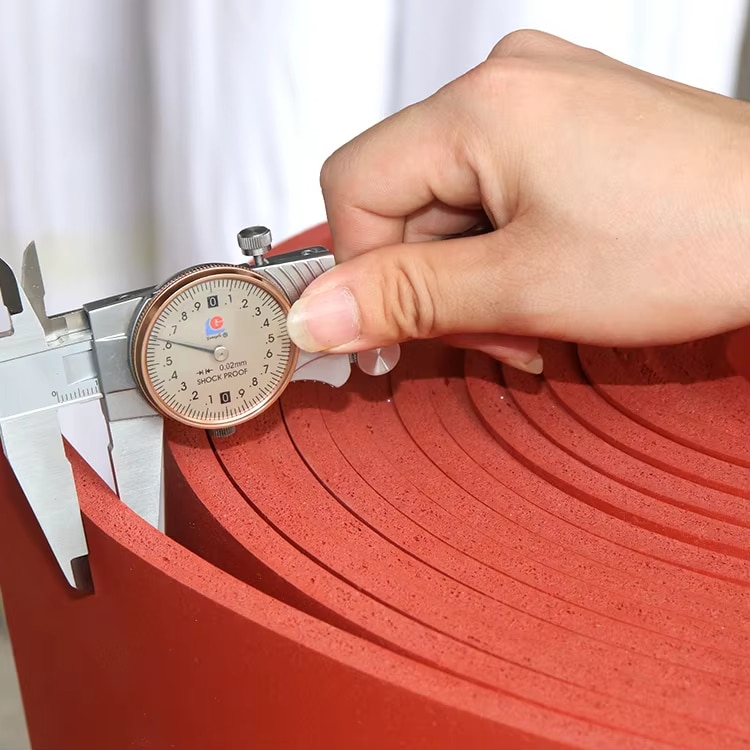
Epesè
Customized according to application
Lajè
Customized
Longè
Customized
Rez nan
Dous, medium or firm grades
Densite
Customized
Fòm
Fèy, retire rad sou ou, pad, gasket or die-cut part
Pwosesis
Die cutting, koupe, CNC cutting and custom fabrication
Rezistans Tanperati
Grade dependent; high-temperature grades available
Commercial silicone sponge sheets are available in multiple thicknesses and densities, and manufacturers can provide customized dimensions for different sealing and insulation requirements.
Custom Silicone Sponge Rubber Parts
In addition to supplying silicone sponge sheets, custom fabrication can turn the material into finished components.
Depending on the design, processing options can include:
Die-cut silicone sponge gaskets
Kousinen sele koutim
Silicone foam strips
Adhesive-backed silicone sponge
Custom-shaped insulation pads
Protective cushioning parts
Slotted or perforated sheets
Custom-size foam mats
For production applications, customers can provide a2D desen, dosye CAD, sample or detailed dimensions. We can evaluate the design and recommend the appropriate material thickness, density and fabrication method.
How to Select the Right Silicone Sponge Sheet
Before purchasing high-temperature silicone sponge, Konsidere faktè sa yo:
1. Operating Temperature
Specify both thecontinuous operating temperature and peak temperature. A material’s maximum intermittent temperature should not automatically be treated as its continuous working temperature.
2. Epesè
Thicker silicone sponge provides greater cushioning and insulation, while thinner sheets are easier to compress and integrate into compact assemblies.
3. Density and Hardness
A softer grade is suitable for low-pressure sealing and cushioning. A firmer grade may be better when greater compression resistance and dimensional stability are required.
4. Compression Requirements
For gasket applications, determine the available compression force and required sealing pressure. Silicone sponge can be selected according to the required compression and recovery characteristics.
5. Chemical Environment
Silicone generally performs well against environmental exposure, ozone and UV, but compatibility with specific chemicals must be verified before production. Certain solvents, fuels and aggressive chemicals may require a different elastomer or a specialized silicone formulation.
Silicone Sponge Rubber Sheet for OEM and Industrial Buyers
For OEM manufacturers, packaging companies, equipment manufacturers and industrial distributors, custom silicone sponge rubber can be supplied according to project requirements.
We can help evaluate:
Material grade
Epesè
Densite
Rez nan
Temperature range
Sheet dimensions
Surface requirements
Adhesive backing
Die-cut shape
Kantite obligatwa
Packaging method
For large-volume projects, custom cutting and converting can help reduce material waste and simplify assembly.
Kesyon yo poze souvan
What temperature can silicone sponge rubber withstand?
The temperature capability depends on the silicone formulation and application. General industrial silicone sponge products may operate around-60°C a +200 °C, while specialized high-temperature grades can reach approximately+270°C or higher for intermittent exposure. Always confirm the technical data sheet for the specific grade before use.
Is red silicone sponge rubber waterproof?
Closed-cell silicone sponge has low water absorption and can provide good water and air sealing when properly compressed.
Can silicone sponge be used as a gasket?
Wi. Silicone sponge is commonly used for gaskets, so, packing materials and thermal sealing applications.
Can you cut silicone sponge into custom shapes?
Wi. Silicone sponge sheets can be converted into custom pads, garnitur, strips and other shapes using suitable cutting and fabrication processes.
Is silicone sponge better than EVA foam for high-temperature applications?
For applications involving elevated temperatures, silicone sponge is generally the more appropriate material because silicone has substantially better thermal stability. EVA foam is better suited to general cushioning, anbalaj, sports and consumer-product applications.
Get a Quote for Custom Silicone Sponge Rubber Sheet
Kap chèche high temperature resistant silicone sponge rubber sheet, silicone foam pads, custom gaskets or heat-resistant cushioning materials?